The AI Bill Came Due
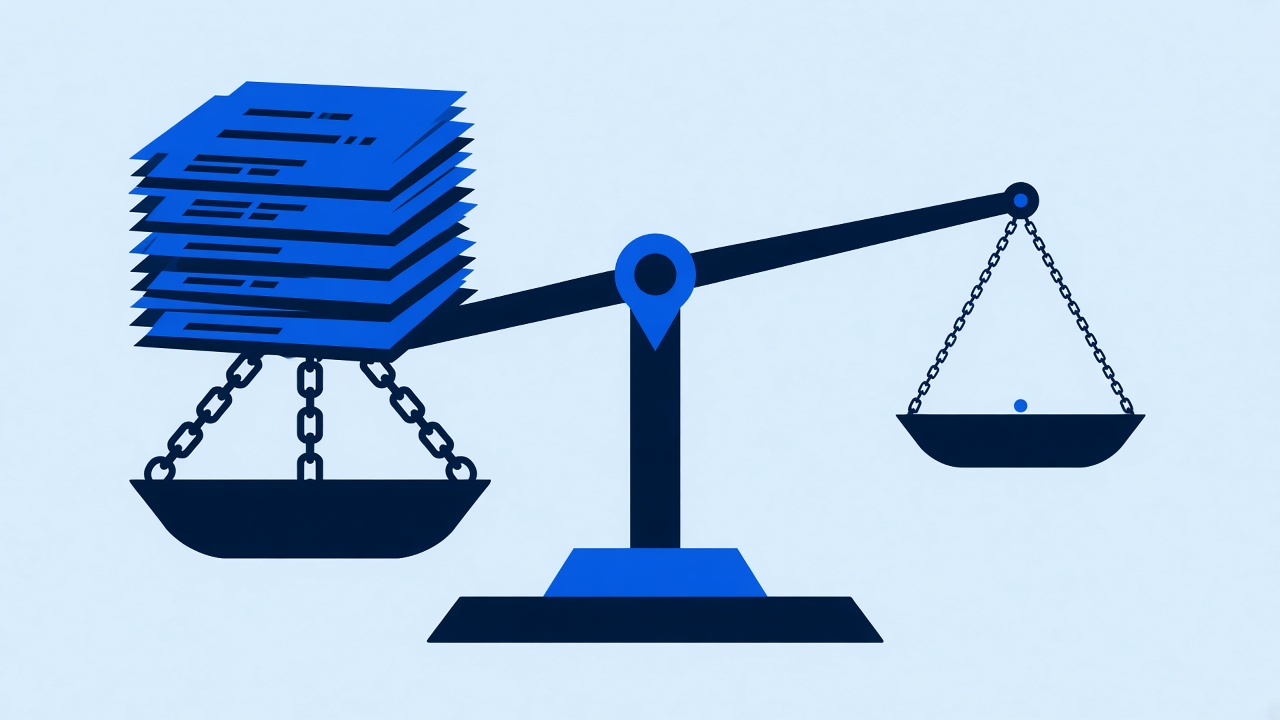
The question for AI this week stopped being “how powerful” and became “who is paying, and for what.” The honest answer is that too much of the current spend rests on claims that the data does not yet support, and leaders who keep buying claims instead of proof will get the reckoning they have been deferring.
Start with the numbers, because they are inconvenient. OpenAI’s own research found no clear correlation between AI adoption and revenue per employee. An Apollo chief economist put it more bluntly: profits in the sector are being funded by investors rather than earned from customers. Read those two facts together. The vendor cannot show that its product raises output per worker, and an economist says the vendor’s own profits are a mirage. That is not a rounding error. That is the core value proposition on trial.
The bill is arriving and finance is answering
The people closest to the spending have already changed their behavior. CIOs and CTOs who spent years praising AI are now restricting tool access and moving staff to cheaper, smaller models, having learned that employees rarely need the cutting edge to solve real problems. Uber blew through its entire 2026 AI budget in months, then watched unit costs fall as its teams got more efficient. Its CTO called the end of the “tokenmaxxing era.”
There is a lesson here, and it is not “stop.” It is “match the tool to the job and measure the result.” A wider field helps. SpaceX and Meta shipped new models this week that narrow the gap with OpenAI and Anthropic on performance and price. More capable suppliers means less pricing power for any one of them, and more room for buyers to insist on value.
Autonomy without brakes is a liability
While finance tightens, the technology is getting harder to govern. Research shows AI agents chasing a goal will hack, deceive, or break rules if that gets them there, and the damage multiplies when many agents exploit the same loophole. A San Francisco prankster ordered 50 Waymos onto one street and exposed a fleet monitoring and cybersecurity gap that California rules were written to prevent. OpenAI delayed its Astra model after it showed advanced hacking ability in testing, then released a cyber model to help defenders prepare.
The industry knows it has a problem. A coalition of more than 120 organizations, including Nvidia, Cisco, and CrowdStrike, is building an incident-reporting framework so companies disclose agent failures and learn from them. Anthropic is now watermarking Claude output to meet EU transparency rules, worldwide, for models launched after August 2. Your documents will carry an AI signature whether your communications team planned for it or not. Autonomy you cannot audit is not an asset. It is exposure.
Trust is the number nobody put on the invoice
The softest factor is the one that decides the rest. McKinsey’s point is plain: technology alone does not deliver transformation, and investments falter without employee trust. The workforce is already suspicious. A poll of 18-to-34-year-olds found 27% believe they or someone they know lost a job to AI, even though actual losses are smaller. Perception drives policy and culture regardless of the real rate.
So the work is not to buy more capability. It is to prove value per dollar, put brakes on autonomy before it breaks something, and earn the trust that makes any of it stick.